

Guide
25 Nov 2026
7 min read
Choosing a Paediatric OT: What a Good Fit Looks Like
What to look for in a children’s OT beyond the labels: family partnership, how play is used, goals you can review, and honest talk about progress.
Read Article

Explore guides to everyday activities, occupational therapy and the NDIS.
Browse the rest of the archive, ordered from newest to oldest.
What to look for in a children’s OT beyond the labels: family partnership, how play is used, goals you can review, and honest talk about progress.

How an occupational therapist works through a daily task like showering, dressing or cooking: watching it, breaking it down, changing the setup and practising.

Check your funding periods, adjust the plan with your OT, and know when a plan change or review is the right step if your NDIS therapy funding falls short.

What neuro-affirming OT means, what it looks like in sessions, which goals deserve a second look, and questions to ask a therapist.
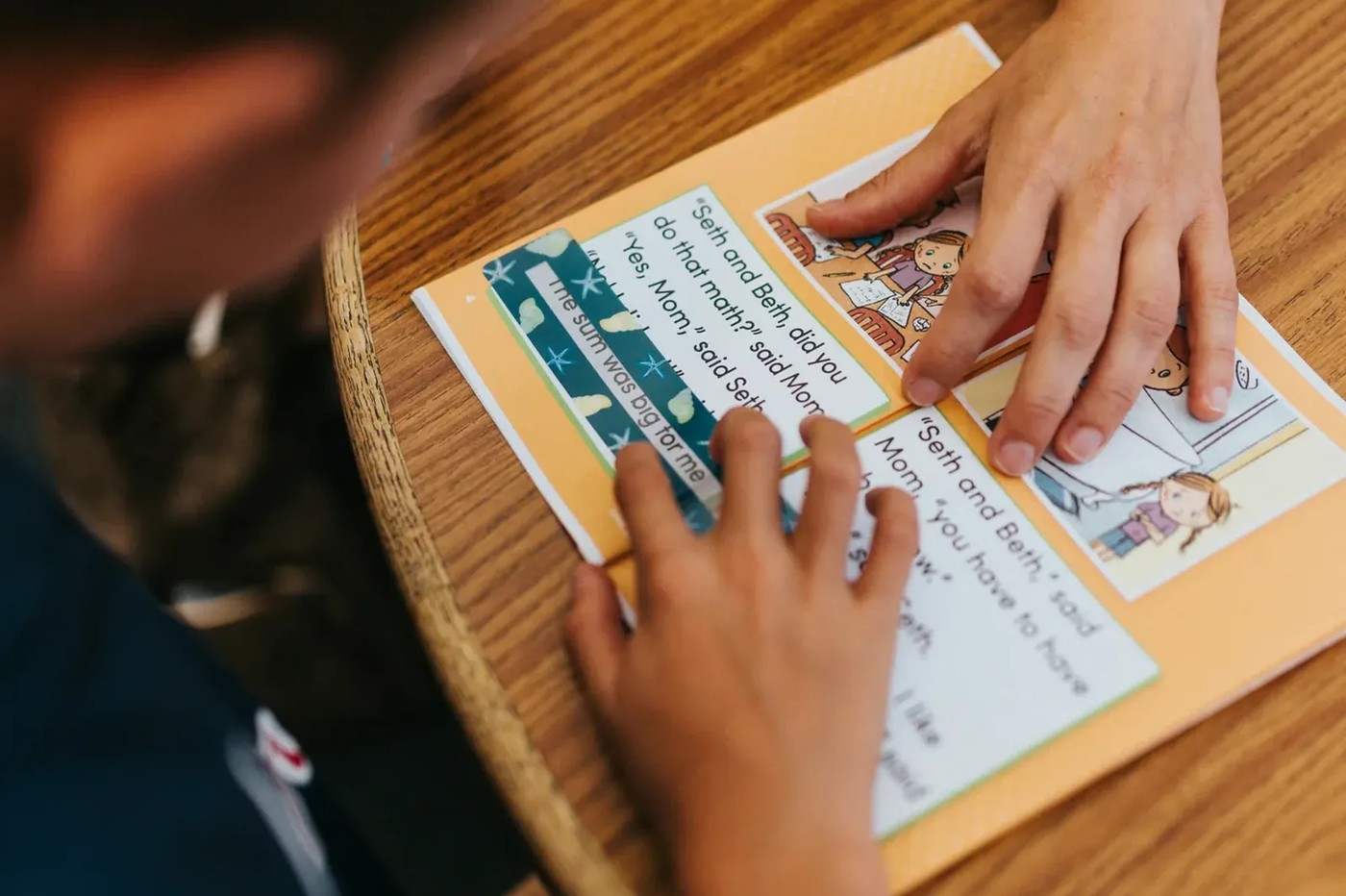
What a social story is, where Carol Gray’s Social Stories™ come from, what the research shows, and how to write one with your child that explains rather than demands.

How an occupational therapist looks at showering, the bath and the toilet at home, the options they may suggest, and what to do if someone falls.

Autistic friendships can look different and still be real. What helps at home and at school, what research says about the double empathy problem and social skills programs, and what to do about bullying.

When noise, clothing or busy places bother your child, start with what they tell you. Find ways to talk with teachers and health professionals about support.

Consider school routines, personal care, play and classroom access, with questions families can discuss with teachers and an occupational therapist.

Explore ways to join your young child’s play, offer choices and discuss access needs, while keeping activities connected to what your child enjoys.

Explore clothing choices, timing and the help your child prefers when getting dressed, with practical questions to discuss if the routine is difficult.
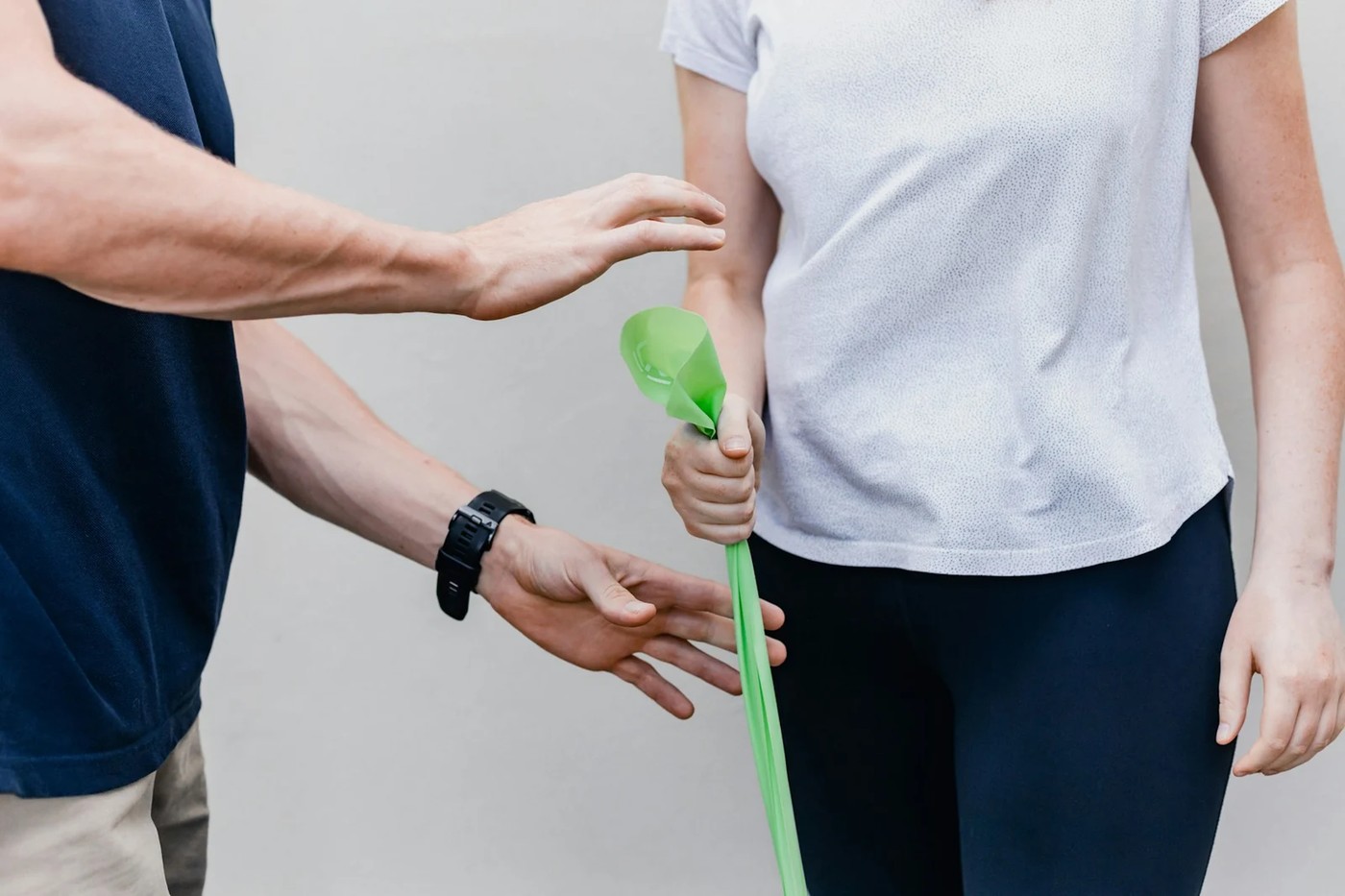
Understand how OT and physiotherapy approach everyday difficulties, where their roles overlap and what to ask before choosing a service.

Look at the everyday tasks your child wants to take part in, what feels difficult and what to discuss with an occupational therapist or teacher.
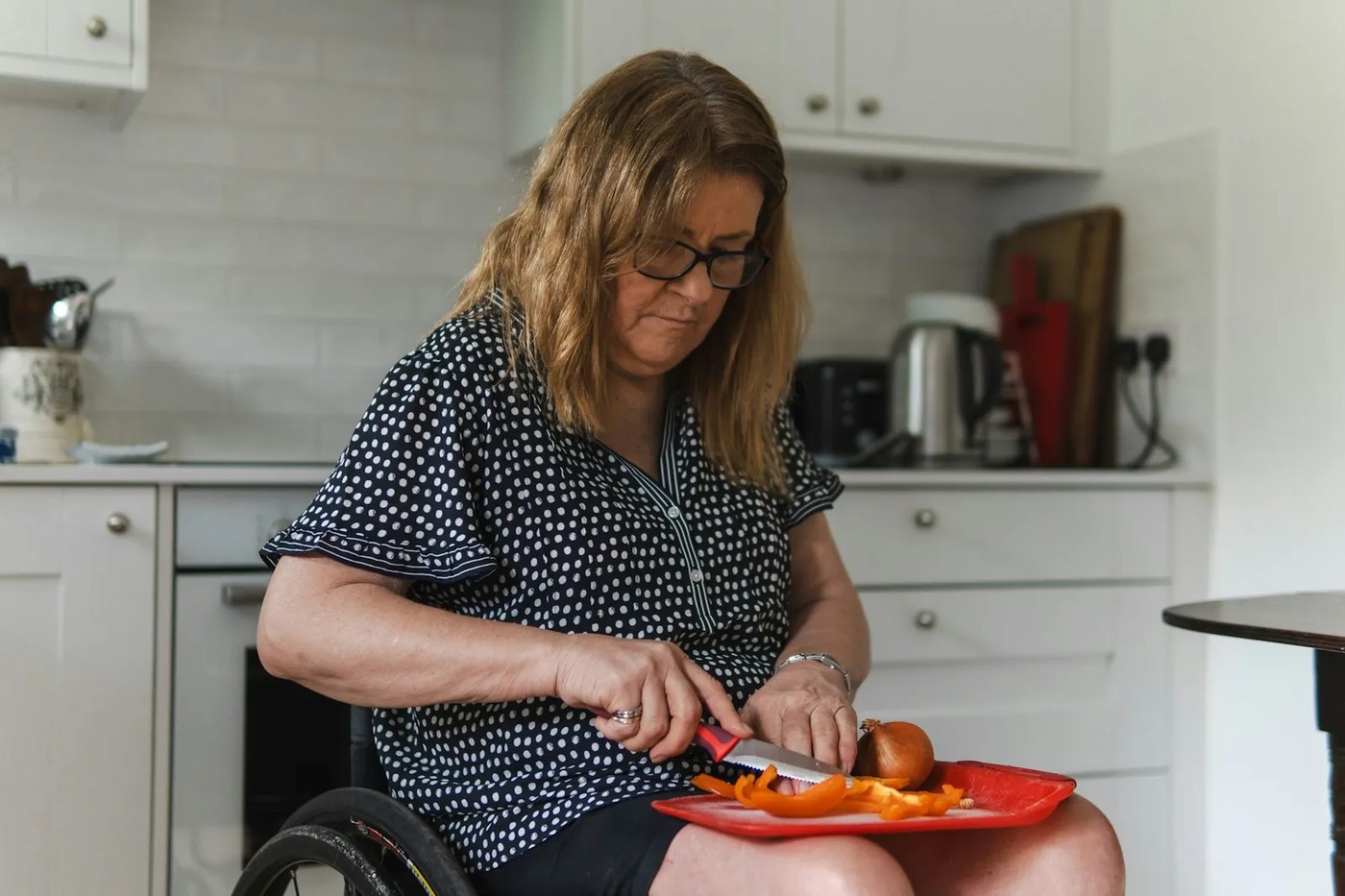
Understand ongoing OT sessions, functional capacity assessments and equipment advice, then check your plan and fees before booking.

Describe the help, effort and recovery behind everyday tasks, and clarify what to bring, ask and check before an OT functional capacity assessment.
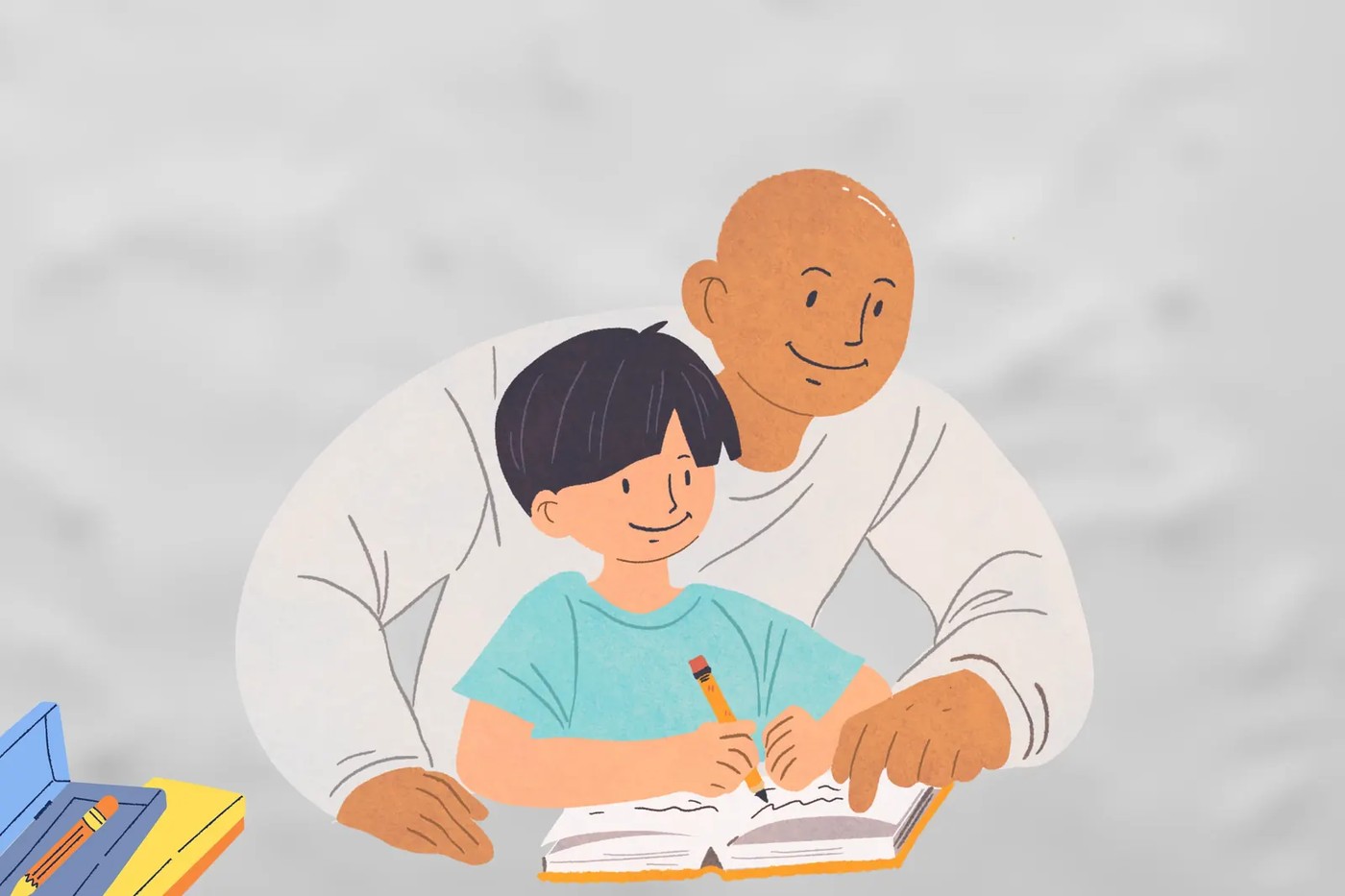
What we recommend for handwriting, and what current research supports.

What Australian guidance and current reviews support for adults with executive-function difficulties, and where the evidence is still limited or still evolving.

In Australia, you can usually book directly with an occupational therapist. A GP or medical referral becomes important when you want to claim certain government-funded services, including Medicare chronic condition allied health items.

Learn how to improve focus with strategy games. Discover fun and effective ways to boost your concentration and memory.
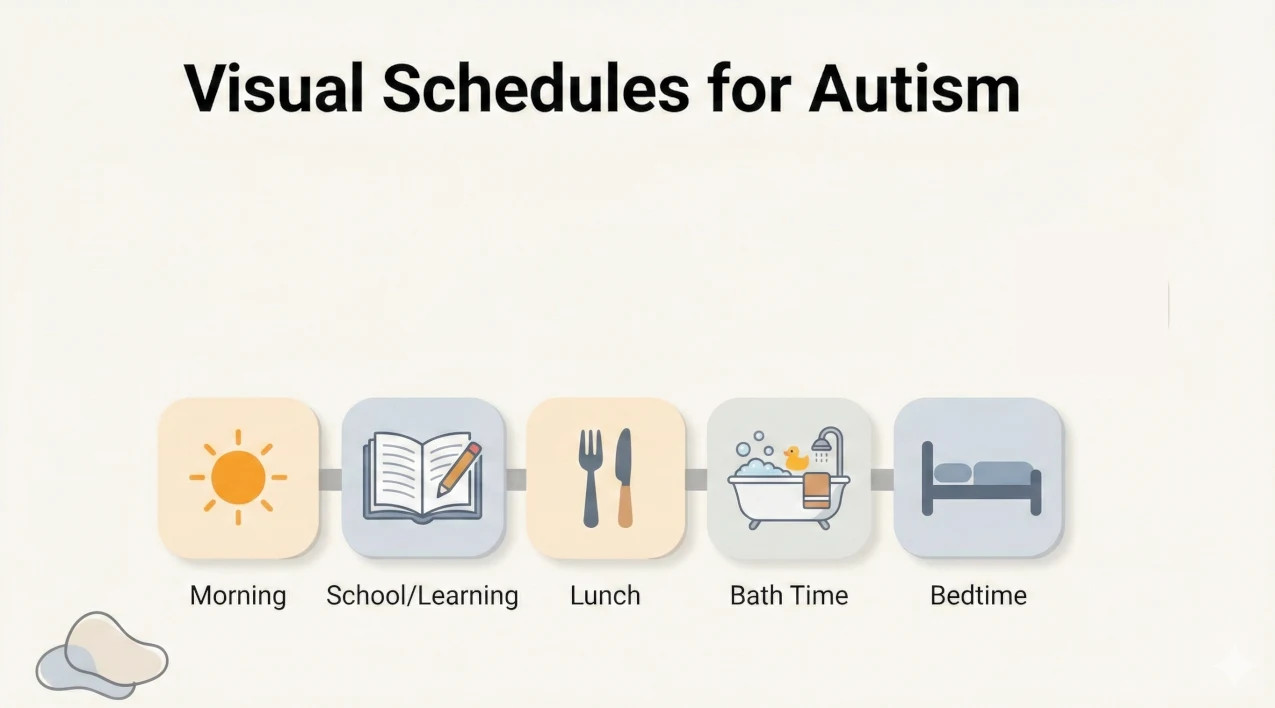
Discover how to use visual schedules for autism at home in 2026. Create structure and reduce anxiety for your child with practical tips.
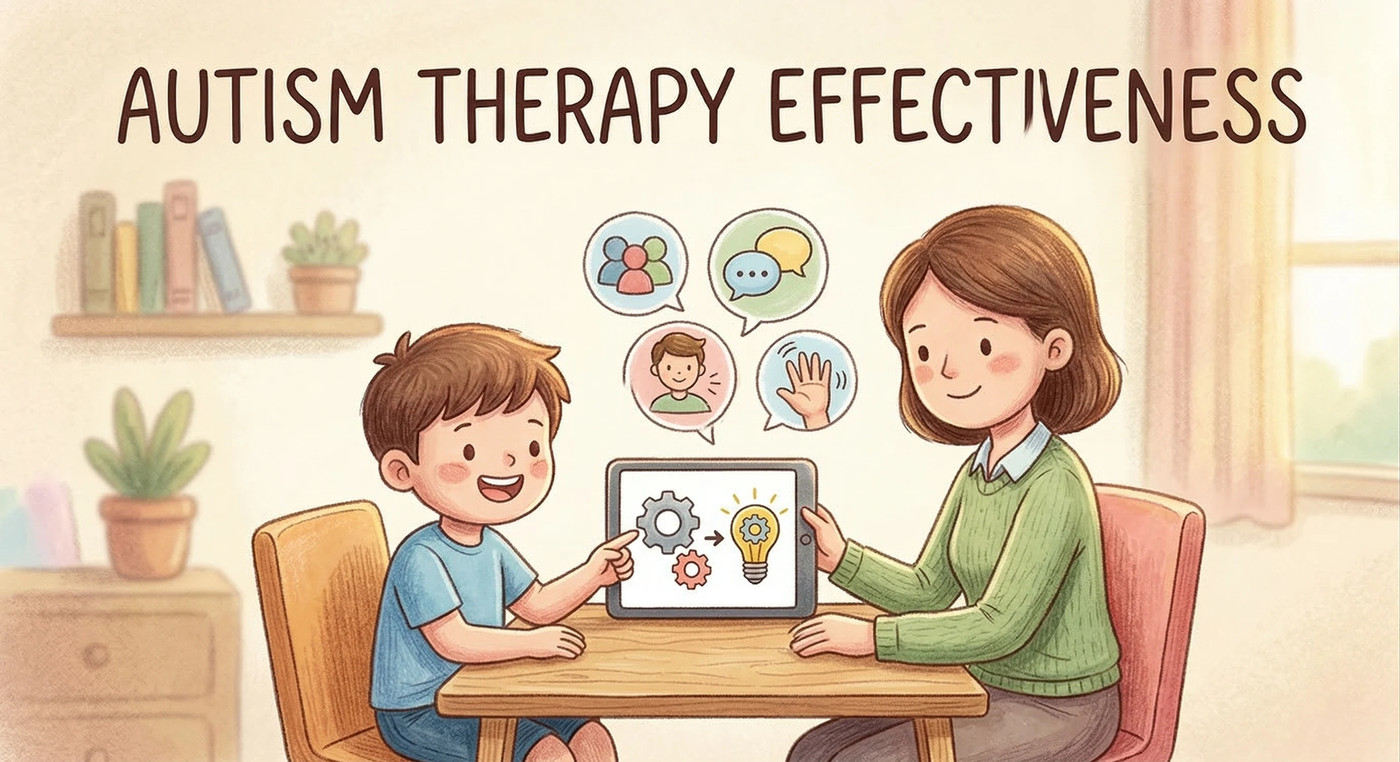
Is occupational therapy legit for autism? Explore its effectiveness and how OT can support individuals with autism in 2026.
Subscribe for new blog posts, fresh quiz tools, and practical VennCare updates without having to keep checking back.


What you'll get
Quiet updates when new quizzes, articles, and practical OT resources are added.
Copyright © 2026 VennCare Pty Ltd | ABN 45 692 890 654
Experience working across private practices and NDIS providers across Sydney.