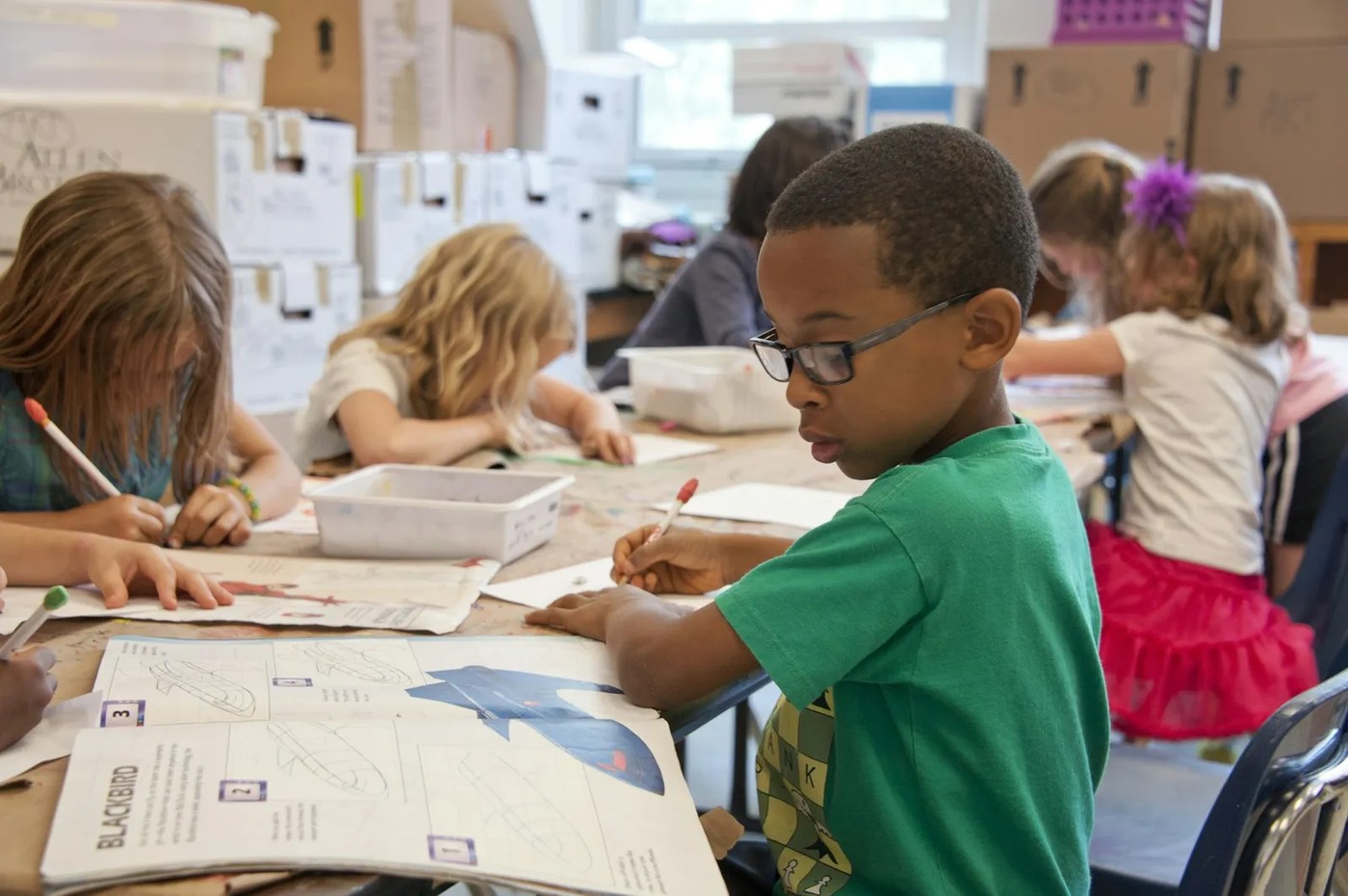
When you picture the school day, include arriving, finding belongings, eating lunch, joining an activity and getting ready to go home. Which part matters most to your child? That is a useful place to start a conversation with their teacher.
Look across the school day
School support can cover participation, communication, personal care and movement. It isn’t limited to the classroom either: in NSW public schools, the learning environment can include the playground, library, sporting fields and excursions.
Ask your child about a part of the day they enjoy and a part they would like to do differently. Use their preferred way of communicating and allow time for their response.
Describe a particular moment
Bring the teacher a specific question: “Who can my child ask if they need help with their bag?” or “What happens if they need more time to pack up?” Ask what the teacher notices too.
Describe what currently happens before suggesting a solution. It helps to note:
- the routine, such as unpacking in the morning or getting changed for sport
- where it happens and how much time there is
- what your child says about it
- any help already in place.
Discuss options with the school
All NSW schools must provide reasonable adjustments for students with disability who need them, from Kindergarten to Year 12. Decisions are made together with parents or carers and, where appropriate, the student. Adjustments depend on how a disability affects learning, rather than on a diagnosis.
Adjustments can reach well beyond classwork. NSW guidance gives examples such as:
- In the classroom: seating, and changes to equipment or furniture.
- On excursions: accessible locations, and looking at pictures or maps of the place beforehand.
- In sport and physical activity: modified rules, sound or visual signals to start and stop, skills shown by staff or classmates, and extra time.
- Around the school: buddy systems, different equipment or furniture, and a planned order of events.
Which options suit depends on the activity and your child. For example, you could ask whether the place used for belongings is accessible, how instructions are shared, or who will explain an unfamiliar routine. Talk through the practical arrangements with the school, including who will provide any agreed help.
Agree how to review the arrangement
Ask who will communicate with the family, what will be tried and when you will discuss it again. Include a way for your child to share their experience.
In NSW public schools, staff regularly review a student’s support to check that it is still needed and whether more is required. New adjustments or equipment are discussed with the student, their parents or carers and the school’s learning and support team.
A review question might be: “Does my child know where to go for help at lunchtime?” Keep the question linked to the routine you discussed.
Where an OT may contribute
An occupational therapist may explore how your child manages school routines, considering the activity, family context and environment. NSW public schools can draw on specialist staff from outside the department when a student’s needs call for it, and some OTs work with preschools and schools, including school visits.
Before an OT contacts the school, agree what information you are comfortable sharing, and how any observations or recommendations will be passed on.
Teachers lead educational planning. Communication needs may also call for a speech pathologist; movement concerns may call for a physiotherapist. Ask which professional can discuss the difficulty you have noticed.